


Why choose Central FS for Dyce fire alarm installation?
We’re a fire, security and electrical contractor, so a single experienced team can install your alarms, manage the wiring, handle your fuse board, or complete a fire risk assessment when required.
For mains-wired work that matters, your alarms are connected directly to your electrical system and are fitted correctly the first time.
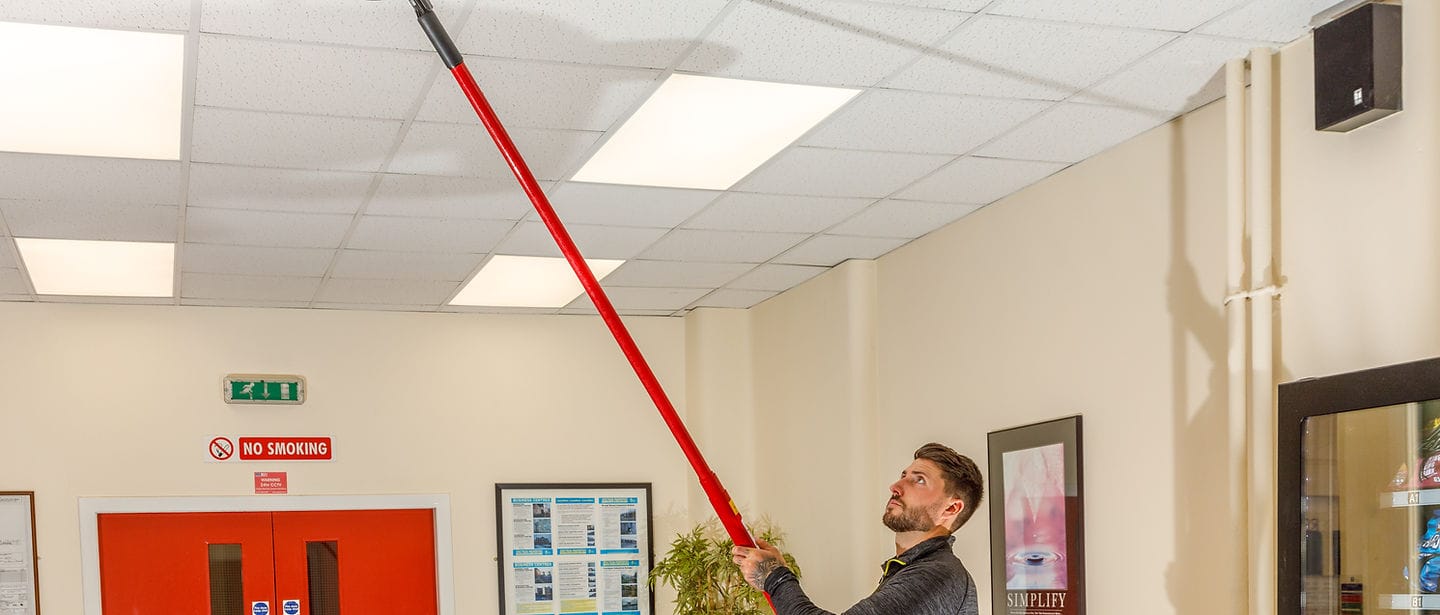
Faulty electrical appliances and wiring are behind the cause of many domestic electrical fires, which is why our comprehensive electrical services enable us to address the underlying cause while installing the alarm.
As a BAFE accredited company, our fire safety services undergo independent auditing, while our support continues long after the alarms have been installed.
We oversee installation and ongoing care, explain how to test and silence the alarms, and address false alarms or chirping instead of expecting you to manage them alone.
Interlinked commercial fire alarm systems Dyce
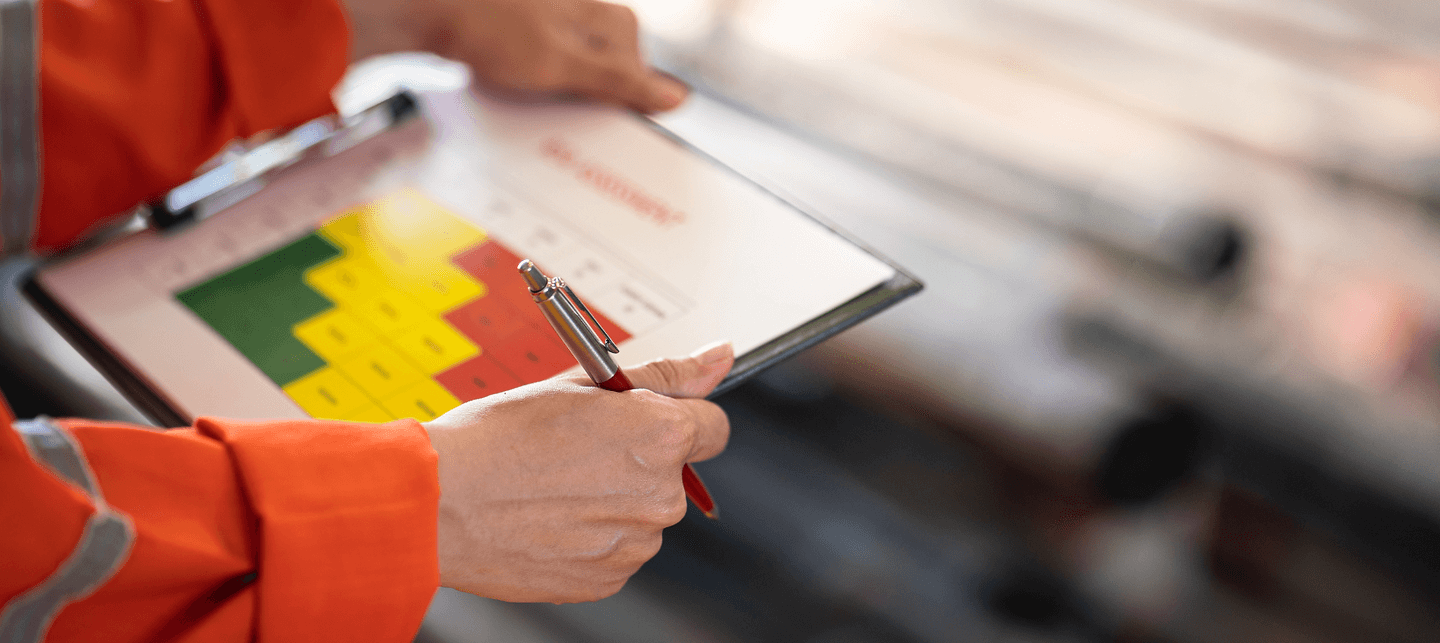
Companies have a distinct responsibility. If you run commercial premises, you need a fire alarm system suited to the building and its risks, normally determined through a fire risk assessment.

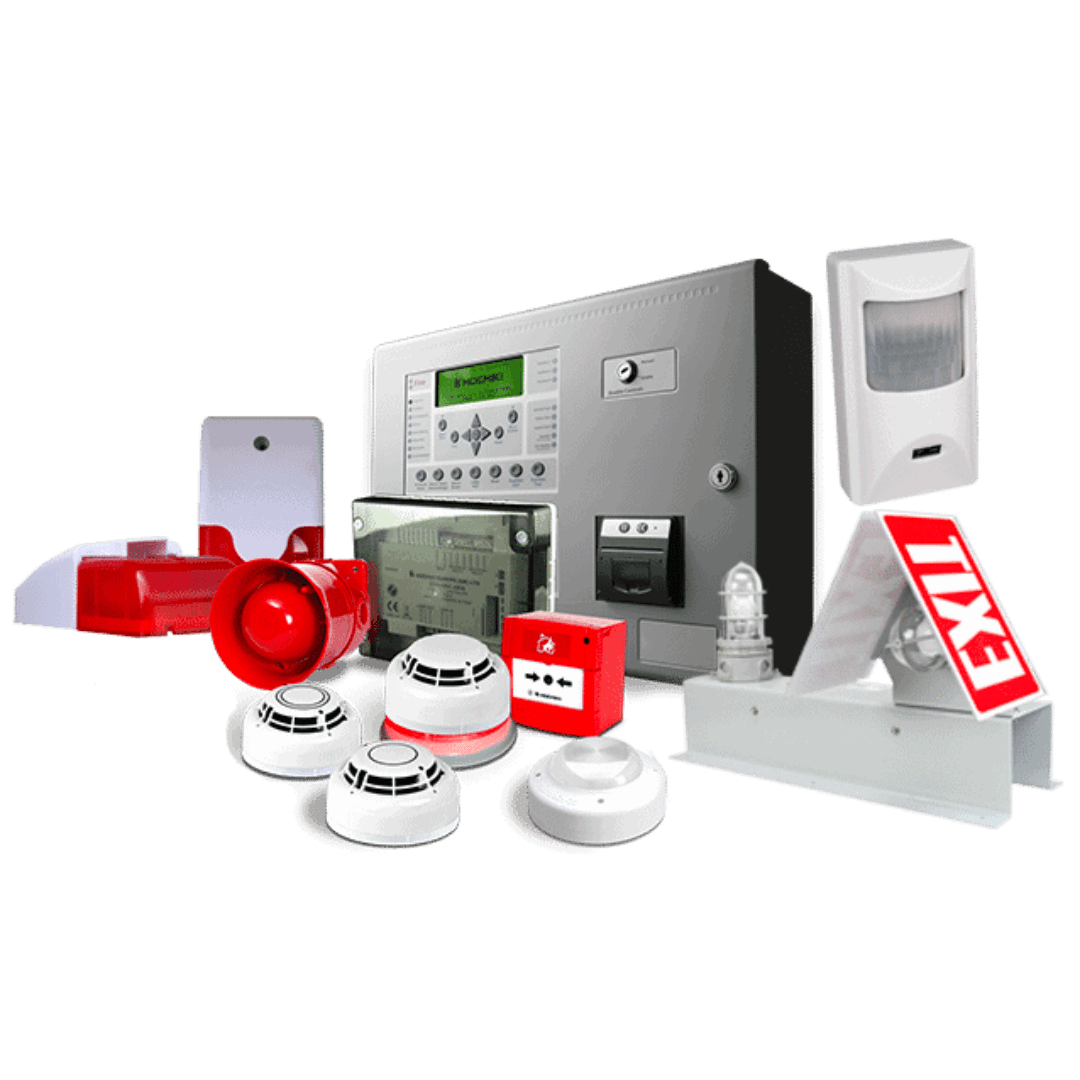
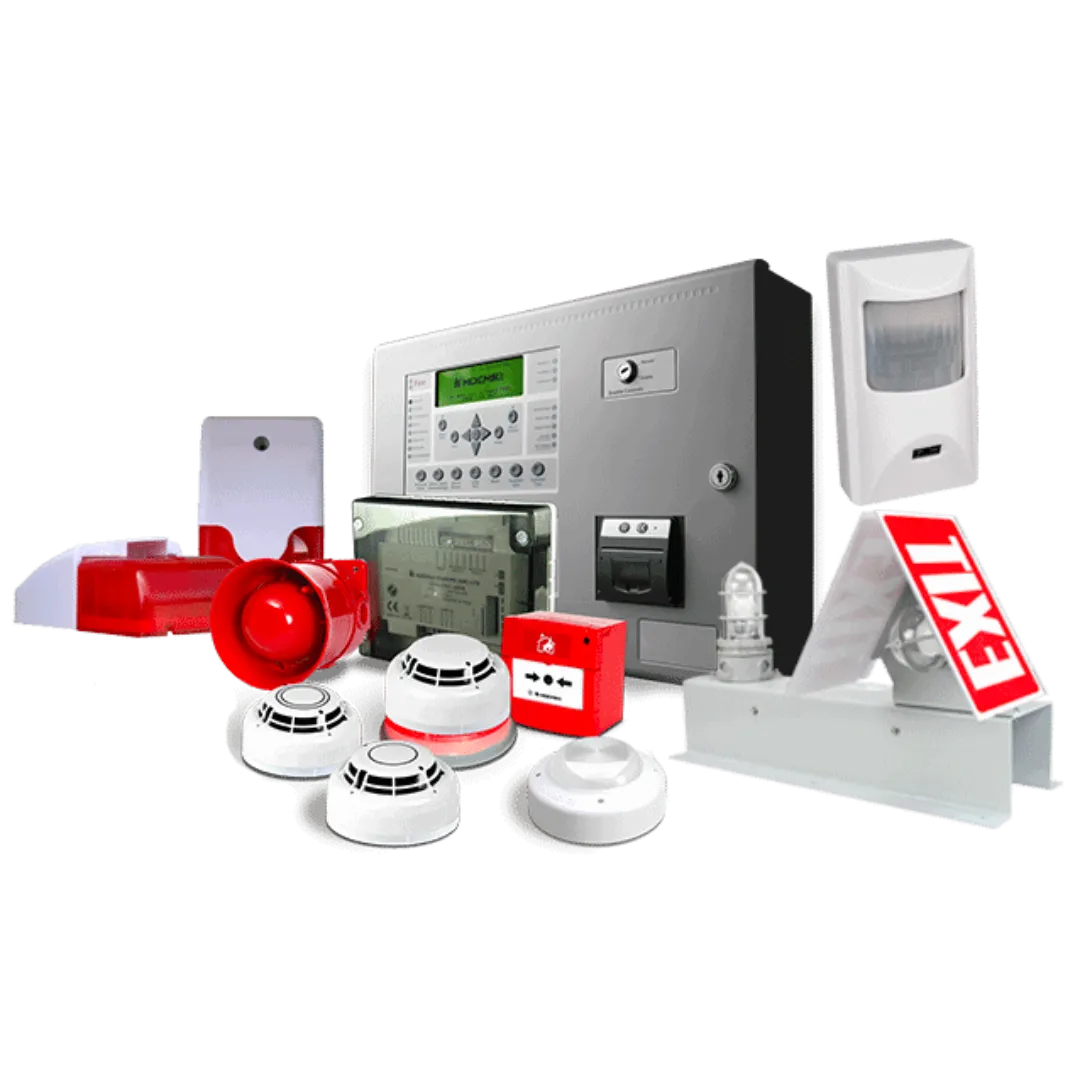
Across Dyce and Scotland, we create, install and maintain commercial fire detection systems for every setting, from a single shop to a site spanning multiple zones.
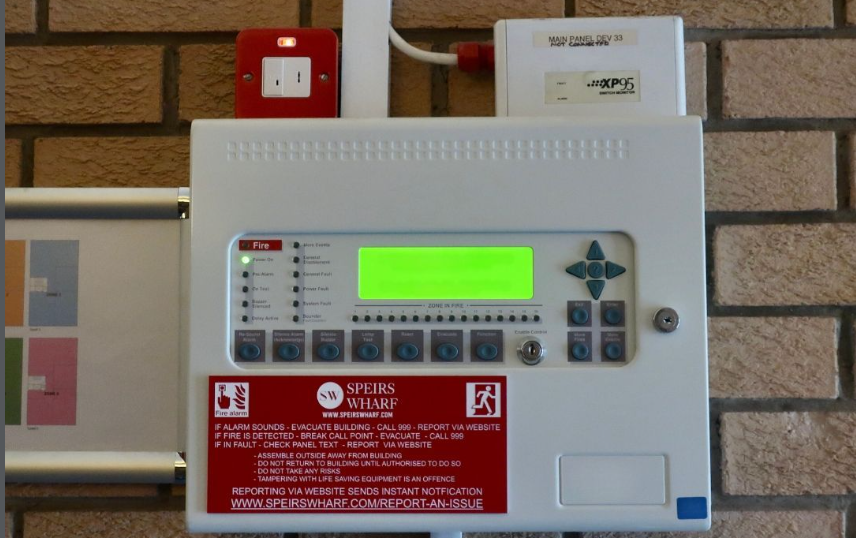
The building may use a conventional panel for a more compact unit, or an addressable system in a more substantial one, identifying exactly which detector has activated. In either case, it is one interlinked fire alarm, wired so that activation anywhere triggers the alarm throughout the building.
Cable-free solutions suit listed buildings and locations where cables cannot be run. Anything is installed, we commission and then certify it, and can connect it to monitoring so an alarm can receive a response day or night.
Domestic Fire Alarm Installation Dyce
Since February 2022, Scottish law has obliged every home to have interlinked smoke and heat alarms, whereas businesses have a separate responsibility to install and keep a functioning fire alarm system.
The majority of fatalities in domestic fires happen when alarms are absent, have flat batteries, or are not connected, stopping a downstairs alarm from waking people upstairs.

Interlinked alarms solve this problem and provide the simplest way to protect your home. If one alarm is triggered, every alarm sounds, no matter where you are in the building.
Fire Alarm Regulations for Dyce Homeowners
Scotland’s smoke alarm legislation has changed. From 1 February 2022, the Housing (Scotland) Act requires every home to meet the same requirements, whether it is owner occupied or rented out.
After the Grenfell Tower fire, Scotland strengthened its fire safety regulations, which now apply to every Scottish home. Older, unlinked battery alarms indicate that your home is not compliant.
To meet the requirements of Scotland’s recent legislation, your home requires:
- A smoke alarm in the sitting room or your most used room
- A fire alarm in each hallway and stairway landing
- a heat alarm in the kitchen
- All smoke detectors and heat alarms linked, so they ring simultaneously.
A CO detector in any area with a furnace, fireplace, radiator or chimney
Smoke and heat alarms must be ceiling mounted and either mains wired or fitted with a sealed, tamper proof, long life battery.
Carbon monoxide alarms are required wherever a carbon fuelled appliance is installed, although they need not be interlinked with other alarms. The homeowner is still responsible, or the landlord where the property is rented.
Interlinked alarm systems for Dyce properties
Around Dyce, we offer professional smoke alarm installation, installing compliant smoke, heat and carbon monoxide alarms, generally during one visit. You do not need to purchase the alarms or determine their placement yourself.
We provide appropriate alarms, install them correctly, and interconnect them to make sure your property meets the Scottish standard.
Where should I put my fire alarms
Proper placement is just as important as choosing the right alarms. Install smoke alarms on the ceiling of the living room and throughout every hallway and landing. Position a heat alarm in the kitchen, where cooking fumes could set off a smoke alarm, and position a carbon monoxide detector close to any appliance that burns carbon based fuel.
We locate each smoke detector according to the manufacturer’s spacing requirements and Scottish guidance, ensuring appropriate coverage without nuisance false alarms.
Are mains-wired or long-life battery fire alarms better for Dyce properties?
Scottish regulations allow both options, and we fit whichever is most suitable for your home. Mains wired alarms operate through your electrical system with battery backup, making them suitable for larger homes or a full rewire.
Long life battery alarms are wireless interlinked smoke alarms with a sealed ten year cell that connects by radio, enabling rapid installation without cabling or redecoration. If you are uncertain which option suits you, we will provide full details when providing your quotation.
Carbon monoxide alarms Dyce
Carbon monoxide presents a distinct risk from fire, so it requires its own detector. If your room contains a boiler, gas fire, wood burner or any other carbon fuelled appliance, you require a carbon monoxide alarm, also known as a CO alarm.
In contrast to smoke and heat alarms, CO alarms and carbon monoxide detectors need not be interlinked, although they must be installed in the property to maintain compliance.
We install them alongside your alarms, providing adequate carbon monoxide protection in one visit.
Fire Alarm Servicing Dyce
An alarm can protect you only while it is operational, so regular testing and occasional servicing really matter! At home, we will show you how to test your alarms and explain what those different beeps indicate. For a commercial fire alarm system, regular servicing is necessary for keeping the building compliant and your insurance in force.
Most false alarms are caused by dust, ageing units, or detectors positioned incorrectly, and should be resolved promptly, as an alarm that repeatedly activates without cause is frequently disconnected. We maintain alarms we have installed and systems we have not, so if your existing system continues triggering or a smoke alarm will not settle, we can determine the cause and put it right.
Fire alarm installation Dyce FAQ
How much does fire alarm installation cost?
It depends on the quantity of alarms needed and if they are mains wired or powered by long life batteries.
A typical interlinked home setup is a prompt, fixed-fee job, whereas a commercial fire alarm system is priced according to the building. We offer a free quotation prior to work starting, so ring 0141 530 1244 for a quote.
Do smoke alarms need to be hardwired in Dyce?
No. Scottish regulations allow either mains wired alarms or sealed, tamper proof, long life battery alarms, provided that they are interlinked and properly sited.
Radio linked battery alarms are widely chosen because they comply with the standard without the need for rewiring.
Do I need an electrician to fit a smoke alarm in Dyce?
For a sealed long life battery alarm, not necessarily. That said, correct positioning and interlinking can be tricky, so expert fitting is worth giving serious thought to.
Mains wired alarms require a qualified electrician because they are connected to your electrical distribution board. We take care of both.

Will the fire brigade install fire alarms?
The Scottish Fire and Rescue Service provides free home fire safety visits and advice, although these are not equivalent to the complete interlinked system that is now mandated by law.
That is where an installer comes in. We install compliant smoke, heat and carbon monoxide alarms throughout Dyce and Scotland.
Why does my smoke alarm keep going off?
An intermittent chirp generally indicates a low battery or, in a sealed unit, that the alarm has come to the end of its ten year life and requires replacement. Dust may also be responsible, as may placing the alarm too close to a kitchen or bathroom.
If a new battery fails to resolve the issue, the unit itself will probably need replacing, and we can change it during the same-day visit.
How long do smoke alarms last?
Most smoke alarms reach the end of their life after approximately ten years, while long life battery units are sealed to work for roughly that period before the entire alarm needs replacing.
When a smoke alarm continues chirping, it is usually indicating that its battery or the unit itself has come to the end of its working life.
Book your fire alarm installation in Dyce today
Need compliant fire and smoke alarms fitted in Dyce or across Scotland? Call our Glasgow office on 0141 530 1244 or Perth on 01738 500006.
You can request a free quotation, while we organise interlinked alarms compliant with 2022 Scottish law, or fit a commercial fire alarm system designed around your premises.