


If you need an interlinked alarm system installed or an existing detector replaced, call 0141 530 1244 to discuss your property and get a free, no-obligation quote.
Interlinked smoke alarm systems and heat alarms
An interlinked smoke alarm system passes the warning between its connected units. When one smoke or heat alarm activates, the others sound too. A detector near the source of a fire can then provide early warning through alarms elsewhere in the home.
A standalone alarm that sounds when tested does not establish that the required coverage and interconnection are in place. We look at detector positions, which rooms need coverage and whether the units work together. Existing alarms can only remain in the system where their condition and compatibility allow.
To protect your home, the alarms need to be suitable for their locations and kept working after installation. We’ll explain the testing controls and replacement information for the units fitted, so you know how to check the system between visits.
Smoke alarm regulations in Scotland
Scotland’s home alarm regulations have required interlinked alarms since February 2022. The minimum coverage includes smoke alarms in the living room or room used most and every hallway and landing, plus a heat alarm in the kitchen. The smoke and heat alarms must be ceiling mounted and interlinked.
The Scottish Government’s home alarm guidance sets out the requirements and the owner’s responsibility. For rented homes, the landlord arranges the installation. Tell us about the layout and existing equipment so we can establish the number of alarms needed.
Open-plan rooms need particular attention because a combined kitchen and living space changes the detector arrangement. We assess the layout against the relevant guidance rather than assume that one standard package will cover every property. New building or conversion work can also have additional requirements.
Heat alarms in the kitchen
A heat alarm responds to temperature rather than detecting ordinary cooking smoke. The kitchen needs suitable heat detection under the Scottish home standard. Putting a smoke alarm in the kitchen can cause unwanted activations and does not replace the specified heat alarm.
We check that the kitchen unit can interlink with the smoke alarms elsewhere. The sensor type, position and manufacturer’s instructions all affect the choice. A combined product needs to meet the applicable heat alarm requirements before it can be treated as the kitchen detector.
Carbon monoxide alarms near fuel-burning appliances
Carbon monoxide detection serves a different purpose from smoke detection. Under Scottish home guidance, a carbon monoxide alarm is needed in the same room as a carbon-fuelled appliance such as a boiler, open fire or wood burner. Gas cookers and hobs are excluded from that particular requirement.
The CO detector does not have to interlink with the smoke and heat alarms. Its mounting position should follow the manufacturer’s instructions; ceiling positioning for smoke alarms should not be assumed to apply to every CO unit. Tell us which fuel-burning appliances are present when requesting the installation.
Wireless and mains-powered alarm installation
Power supply and interconnection are separate choices. A battery-powered alarm can communicate by radio, and a mains-powered alarm can also use a compatible radio link. We explain the type of system proposed and how it will connect, with the existing equipment and building layout taken into account.
The Scottish guidance on buying alarms identifies sealed long-life battery and mains-wired options. Suitable product standards include BS EN 14604 for smoke alarms and BS 5446-2 for heat alarms. Required CO detection should meet the relevant EN 50291-1 standard.
Battery-powered alarms with sealed cells
Sealed battery units can support an interlinked installation without a new mains supply at each detector position. The battery must be suitable for the unit’s intended lifespan. A standalone alarm with an ordinary replaceable battery is not a substitute for the prescribed sealed, interlinked battery option.
Each alarm has its own replacement instructions and date information. A claimed ten-year battery life does not remove the need for regular checks or mean that a faulty alarm should remain in service until its anniversary. Keep the product details so a replacement can be matched to the system.
Mains-wired alarms and electrical checks
Mains-wired alarms need fitting by a qualified electrician. Our electrical engineers can assess the available supply and the work required, including the backup provision and connection method for the chosen units. The complexity of wiring and access to the installation affect the scope.
For an existing mains installation, a replacement head needs to be compatible with its base and interlink arrangement. Visible damage, loose wiring or supply faults require electrical assessment. We can discuss related electrical inspection and installation work where the alarm supply needs attention.
Smoke alarm installation: positioning and system testing
Before we fit the units, we confirm the rooms and circulation spaces covered, the mounting positions and the connection method. Mention access restrictions or suspected asbestos-containing ceiling materials when you enquire. The fixing method needs to suit the surface, and suspected asbestos should be assessed before it is disturbed.
Placing detectors on the ceiling
Smoke rises with the warm air produced by a fire, so ceiling positioning forms part of domestic smoke detection design. Beams, sloping ceilings, vents and nearby walls can affect the suitable location. We follow the instructions for the chosen detector and assess the actual room layout.
For smoke detectors installed as a linked set, each position also needs a reliable connection to the other units. Adding another alarm without checking compatibility can leave separate groups that sound independently. We assess existing models before proposing an extension or replacement.
Testing the warning signal at every unit
After setup, we test connectivity between the alarms and check that the linked warning operates. Testing a single button without checking the other units cannot establish that the entire interconnection works. We explain the controls and how to recognise the warning and fault signals for your equipment.
Where the manufacturer provides a test switch or remote control, we show you its operation. Accessible controls can make regular testing easier when the alarm is on a high ceiling. The handover should also identify any separate carbon monoxide detector and its test procedure.
A smoke alarm installer for Glasgow properties
You can ask Central FS to assess a new installation, replace ageing units or review an existing smoke alarm system. Send us the detector model numbers and photographs if you have them. We can then discuss whether the job involves individual replacements, added coverage or a different connection arrangement.
Our engineers explain the proposed equipment and the work needed at your property. We provide fire safety services alongside electrical and security work, so supply problems or wider fire protection needs can be referred to the relevant team.
Before booking, a customer can ask what the quote includes, who will carry out the installation and how the system will be tested. We’ll advise on the practical differences between the available arrangements and explain any assumptions that need checking at the property.
Specialist warnings for residents with hearing loss
An audible alarm alone may not provide a suitable warning for a resident with hearing loss. Tell us about hearing, sight or mobility needs so we can discuss specialist equipment, such as compatible flashing beacons or vibrating pads, alongside the required smoke and heat coverage.
Existing Telecare arrangements need to be considered before changes are made. Specialist alarms supplement the required domestic detectors; don’t remove a Telecare alarm simply because a new smoke alarm is being fitted. We discuss the connection and warning requirements with you before proposing equipment.
Maintenance, the test button and replacement dates
Test your alarms regularly using the manufacturer’s procedure. The Scottish Fire and Rescue Service advises weekly testing. Check that linked units sound as intended and arrange attention if a detector does not respond. Keep the instructions accessible to everyone responsible for looking after the property.
Working smoke detectors need cleaning as directed because dust build-up can affect the sensor or cause unwanted alarms. Avoid painting over openings or covering a unit during normal use. Follow the product instructions when decorating, and restore and test any permitted temporary protection as instructed.
Read the replacement date on the alarm and arrange replacement when required, even if the test button still produces a sound. Manufacturer instructions can differ between models. Our engineers can review ageing equipment and check replacement compatibility with the rest of the linked system.
Interpreting chirps and unwanted alarms
A chirp can indicate a battery, fault or end-of-life warning, with the meaning defined by the model’s instructions. Note which unit is making the sound and check its label before contacting us. Disabling an alarm leaves its location without the intended detection.
Repeated unwanted activations need investigation of the detector’s position, cleanliness and condition. A smoke alarm close to steam or cooking fumes may need its location reviewed. If the alarm sounds and you suspect a fire, follow your escape plan and call 999 from a safe place.
Commercial fire alarms and fire protection
A business’s detection requirements need to be considered through its fire risk assessment. Occupancy, activities, building layout and escape arrangements affect the design. A domestic interlinked alarm package should not be assumed to meet the needs of commercial premises.
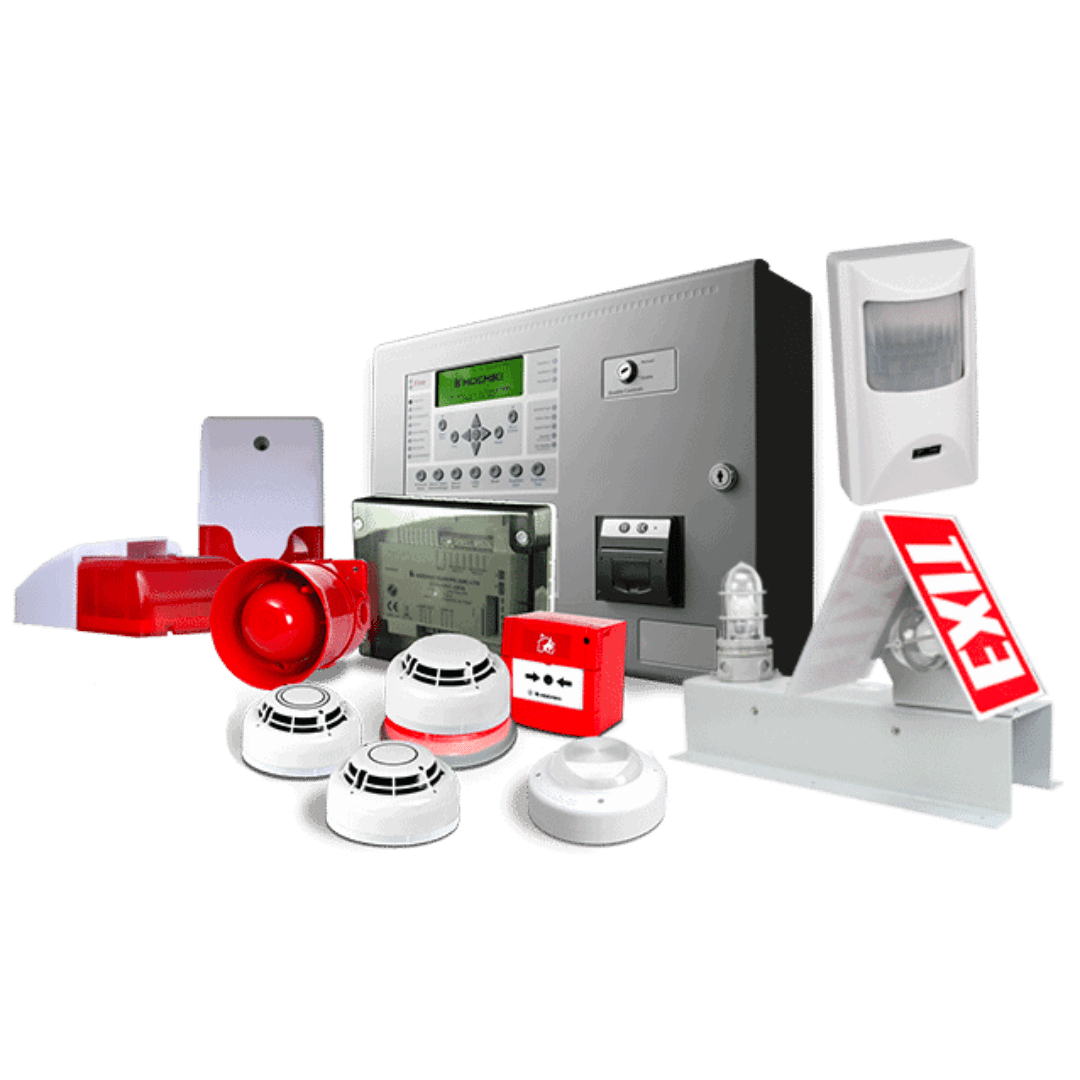
Central FS supplies commercial fire alarm systems, including conventional, addressable and wireless arrangements. Detection may include smoke, heat or specialist equipment according to the assessed risk. Discuss the required coverage, testing and maintenance with our fire team before choosing individual detectors.
For an existing commercial system, tell us the panel type, service history and any recorded faults. A detector replacement needs to suit that system’s design and manufacturer requirements. Building alterations or a change of use can also require a review of the fire detection coverage.
Fire safety in Glasgow homes and surrounding areas
We take smoke detector enquiries across Glasgow, from flats in the West End and city centre to homes in the southside and east end. The property layout determines the alarm arrangement. Tell us about multiple floors, open-plan areas and existing detectors when you describe the work.
Our team also covers surrounding locations, including Bearsden, Clydebank, Paisley and East Kilbride, with wider Scottish enquiries handled through Glasgow and Perth. For landlords managing several homes, send each address and the known equipment details so we can discuss the installations individually.
Costs and information for your installation quote
Alarm installation costs depend on the number of alarms, their power source and the work required to fit and connect them. Replacing compatible heads on an existing installation has a different scope from adding mains wiring. We quote for the proposed work after discussing the property.
Give us your postcode, room layout and details of any fuel-burning appliances. Photographs of existing alarms and their labels help identify the models, while information about ceiling heights and access helps us plan fitting. Ask us to explain the equipment and testing included in the service quote.
Smoke detector questions
Do I need a carbon monoxide alarm as well as smoke alarms?
A smoke detector does not detect carbon monoxide unless it is a suitable combined product. Scottish guidance requires CO detection in the same room as relevant carbon-fuelled appliances, with gas cookers and hobs excluded from that requirement. Describe your appliances so we can confirm the coverage needed.
Do wireless smoke alarms need Wi-Fi?
Radio-interlinked alarms can communicate without Wi-Fi. Any app or internet features are separate from that radio connection and should be checked for the particular product. We explain the connection method proposed so you understand how the alarms work together and what any additional features require.
Can you replace just one smoke detector?
A single replacement may be possible where the new unit is compatible with the existing system and the other alarms remain suitable. The model, base, interconnection method and remaining service life need checking. Send the alarm details so we can assess the replacement rather than assume any detector will fit.
Can the Scottish Fire and Rescue Service fit my alarms?
The service offers free home fire safety visits. Some high-risk households in owner-occupied homes qualify for interlinked alarm fitting after assessment. Check the Scottish Fire and Rescue Service eligibility guidance. Central FS can quote for private installations and replacement work.
How long do smoke alarms last?
Follow the replacement date and instructions for the model fitted. Many domestic alarms have a ten-year service life, but a fault or an end-of-life warning can require earlier replacement. Regular testing is still needed throughout that period to ensure the alarms respond and remain connected.
Arrange smoke detector installation in Glasgow
Contact Central FS with your property details and tell us whether you need a new interlinked installation, replacement detectors or an assessment of existing alarms. Include any known faults and the model numbers so we can discuss the equipment and installation work required.
For your free, no-obligation quote, call 0141 530 1244 or email info@centralfs.co.uk. You can also use our contact form to arrange smoke detector installation in Glasgow.