




For fire, security and electrical work, what we do is checked and signed off by the organisations that matter. You can be sure from this that the job is done correctly and signed off.
Advice from a professional helps you choose security equipment that gives you a workable way to respond to an activation and covers your home’s accessible areas.
Planning the right security system for your home
A security survey covers both how someone could get into the home and the way the household will use the equipment. The design can be affected as much by the location of an accessible window, an adjoining roof or a rear entrance as by the number of rooms.
Our conversation also covers what worries you about the existing set-up. It might be that you require an alarm installation in a previously unprotected home, better coverage following an extension, or a way to check an entrance while you’re away. These needs help identify what equipment is worth including in the quotation.
Operating the appropriate set-up should be straightforward for everyone who has to do so. If an alarm is difficult to set, or security cameras produce recurring unwelcome alerts, the people in the home can be discouraged from making use of the protection they’ve purchased.
Flats and shared tenement entrances
A functioning shared entrance offers some control over who gains access to a tenement, yet the flat still needs its own protection. During the survey, we look at the flat’s entrance door along with any accessible windows, including those reached through a communal back court.
Those with responsibility for a shared entrance must be consulted on access control affecting its door. We can offer advice on the door entry equipment, and placing cameras requires care in a close shared by visitors and residents.
Houses, extensions and detached garages
A home with a rear extension or a detached garage may require detection beyond the main hallway. Door contact sensors can identify an opening at the edge of a protected area, while movement detectors provide coverage for appropriate indoor spaces.
When it comes to devices within an outbuilding, the distance involved, how the walls are constructed and the available electricity supply all matter. Those conditions and the specific requirements of anybody who regularly uses the garage inform our assessment before we recommend a sensor or camera. The setting arrangements a home office needs might differ from those required by a space for storing tools.
House alarms and intrusion detection
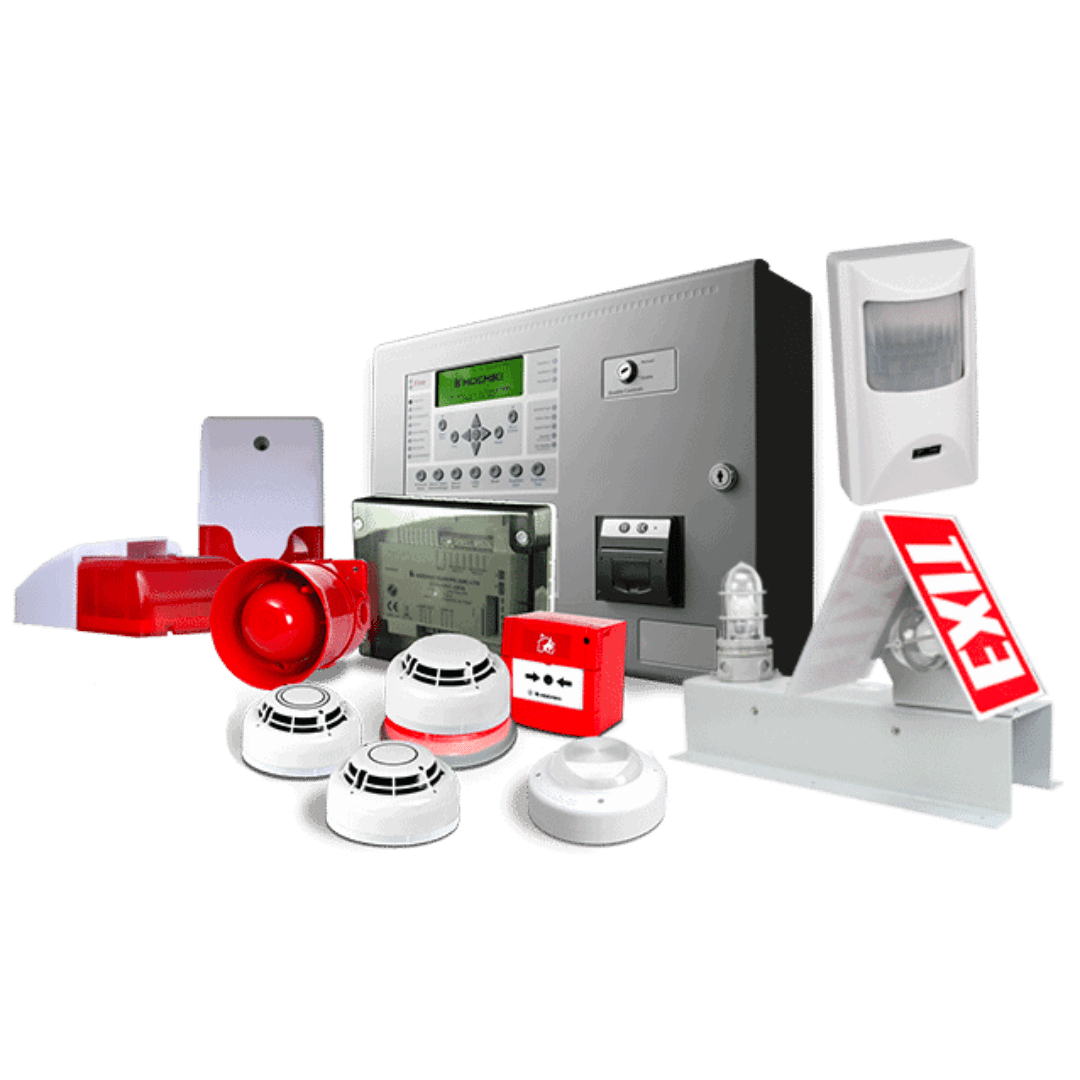
A house alarm makes use of detectors to provide information about activity to a control panel, which responds depending on how the system has been set. An internal motion detector detects movement within its coverage area, while door and window contacts detect opening.
Daily movement and potential intrusion must be considered when placing detectors. Where a detector should be placed and which detector to choose may both be affected by pets, sources of heat and the furniture layout. If the positions of detectors haven’t been given proper consideration, simply adding extra detectors could lead to more unwanted activations.
The burglar alarms we design for homes in Carmunnock are based on the entrances and areas that require protection. Secure doors, window locks and gates remain necessary, even though visible equipment outside can help discourage an attempted intrusion.
Wired and wireless alarm systems
Wireless intruder alarms can be useful in a finished house because detector cables don’t need to be run through every room. The panel must still receive the radio signal reliably, particularly through thick masonry or between the house and an outbuilding.
Where cable routes are already accessible during a renovation, or a house has suitable wiring already in place, a wired alarm system could be appropriate. The possibility of reusing that wiring is determined by its state and compatibility with the planned equipment.
Battery backup is an option for both wired and wireless alarm systems. As part of the design and servicing, the power supply arrangement and the condition of the batteries should be examined, because they dictate what continues working during a power interruption.
Using the alarm while you’re at home
Part-setting enables chosen parts of the home to stay protected while people spend time in other rooms. During the night, for instance, an appropriate design can keep downstairs entrances protected without a bedroom detector responding to ordinary movement.
Anyone moving around the home needs to have a usable route with the alarm settings in place. During handover, we’ll talk you through how to arm and disarm the agreed areas, including which doors or detectors remain active. People operating the alarm should know how to cancel an accidental activation and understand the entry delay.
CCTV cameras and useful night-time footage
Deciding where to site cameras starts with the detail you have to see. A clear image at the back door may go unrecorded even when a broad view of the garden reveals movement. When you check an event afterwards, the viewing angle and viewing distance influence whether recordings are useful.
Our CCTV installation service in Carmunnock is for domestic camera set-ups with options for recording and remote viewing. We decide where equipment should be installed by taking account of entrances, driveways and access routes alongside the lighting available.
Infrared night vision helps a camera record in darkness, but reflections and obstructions can lower the image quality. Plant growth, a badly aimed floodlight or a wall close by could disrupt the view. If the camera coverage would be improved by security lighting, we can fit it.
Camera views at shared boundaries
A domestic security camera ought to record no more than is necessary for the security objective. In a shared back court or close, a change to the angle might be needed to limit recording of neighbouring homes and communal space.
In the ICO’s home CCTV guidance, the ICO describes the responsibilities that can apply when a system captures images outside the boundary of the homeowner’s property. Thought should be given to camera siting, privacy masking and decisions on the storage of footage before recording begins.
Alarm monitoring and police response
Through an app-enabled system, notifications can be sent to people signed up to receive alerts, while an alarm with an audible alert draws attention locally. If the people concerned manage the setup themselves, they need to review the notification and determine what action to take.
Monitoring via a 24/7 alarm receiving centre is another service we offer. The agreed response arrangements, which can include getting in touch with nominated keyholders, determine how members of staff process signals. The quotation should make clear what cover is included, since maintenance and monitoring are separate elements of the service.
An eligible system is needed for police response, together with arrangements that conform to Police Scotland’s current security systems policy. Even if a notification is received on a phone, it doesn’t confirm the eligibility in question. We’ll talk with you about which response options are available when we specify the intruder alarm and monitoring service.
App control and communication backup
While you’re away from the property, you can use remote control to check the alarm’s status or view a camera’s feed. The hardware, app and connection dictate the available features, which is why we describe what the proposed system supports before you make your decision.
Alarm operation, local recording and remote access can rely on different paths for power and communication. Even while a powered recorder continues saving video footage, a fault with the broadband could disrupt an app’s connection. An appropriate backup connection should be taken into account in the design where ongoing remote signalling is necessary.
Compatible hardware is also essential to combine alarms and CCTV. When we plan the work, we’ll check whether controls can share an app or need separate access as part of assessing options for integration.
Accredited home security solutions from Central FS
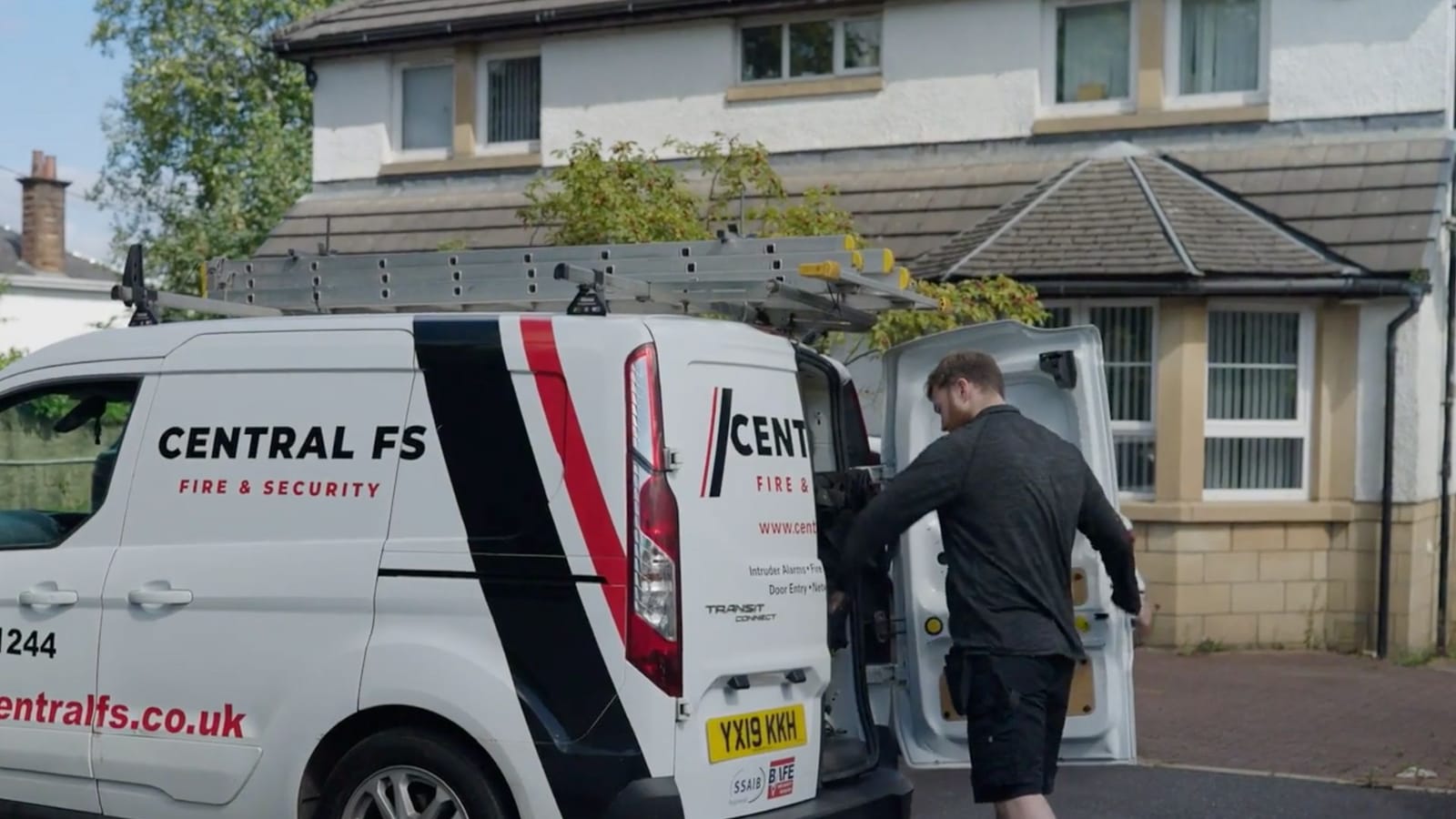
The approval our company holds from SSAIB covers the security services we offer. SSAIB, the Security Systems and Alarms Inspection Board, provides independent evaluation of installers who are approved, so clients are able to check an installer’s credentials before they commit to a system.
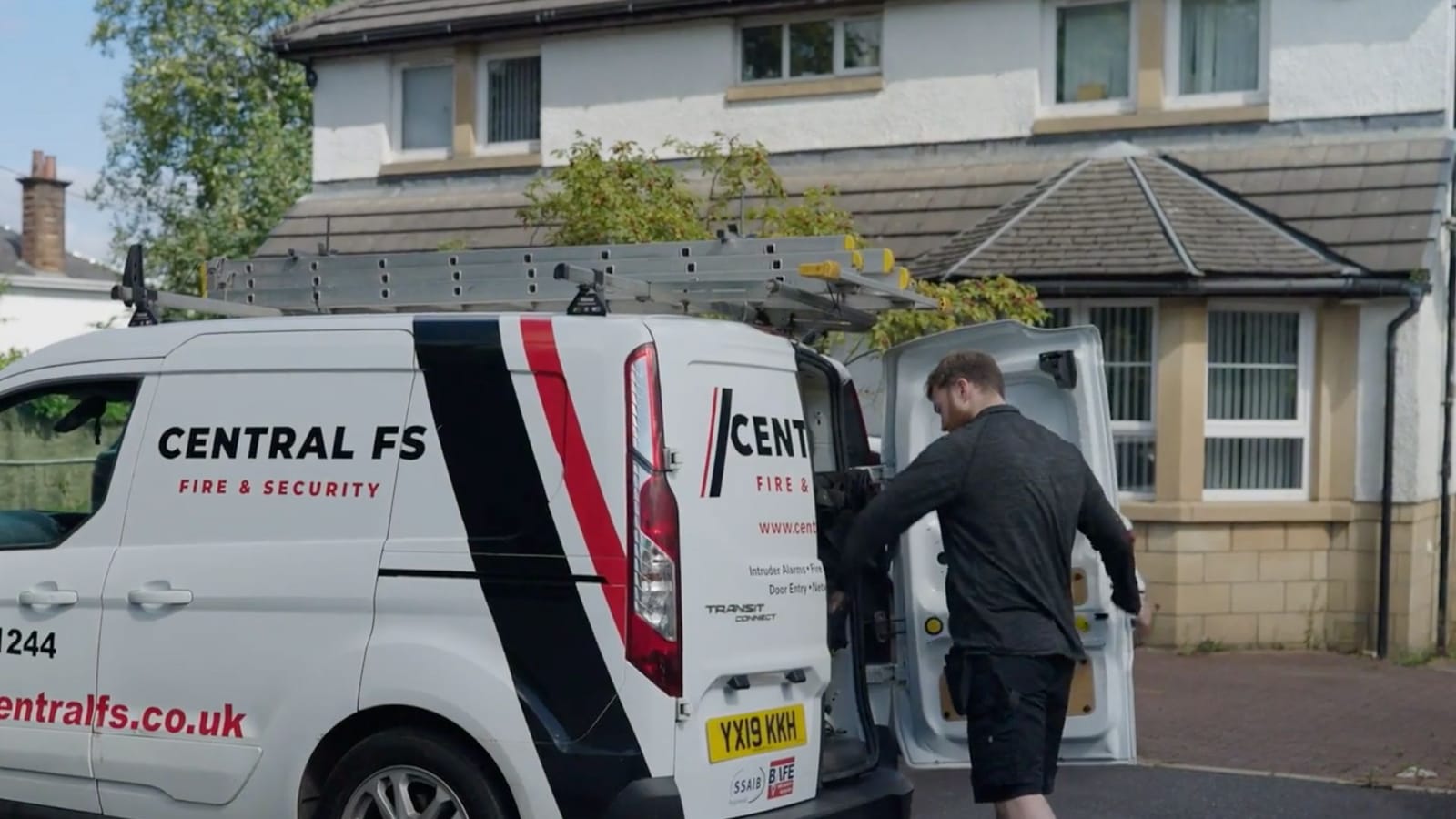
Our experienced engineers can explain the proposed equipment in clear language, and our security services include installation and ongoing maintenance. To discuss a fault or planned change, you can speak to us as the company responsible for installing the system, which helps to keep the installation records and subsequent work together.
Fire, security and electrical work
You can discuss further requirements with a single company since we also do fire and electrical work. Having that option can be useful during a refurbishment if an outdoor electrical supply, a fire alarm or security equipment requires attention alongside other work.
Fire work falls under our BAFE accreditation, whereas security work is covered by our SSAIB approval.
How our home security installation works
Surveying the property
Tell us what equipment is already in place, which areas you would like to cover and what your home is like. As well as assessing the property, we talk through how you plan to use the system and whether you want monitoring. You aren’t required to settle on a model or detector count before talking with us.
Design and quotation
We put forward recommendations for security solutions based on the survey and also supply a no-obligation quotation. The specification ought to detail the security equipment, installation work and any ongoing services, so you can weigh up the proposed coverage against your budget before booking the job.
Fitting and testing
In addition to fitting the equipment we’ve agreed on, the engineers on our team carry out tests on its detection and recording functions. When remote access or monitoring is included in the scope of work, the connections also need testing. Cable routes and mounting locations are agreed with the premises in mind, including access needed for future servicing.
Handover and everyday operation
You are taken through the controls and given advice on handling fault messages or an alarm set off accidentally. In the case of cameras, we cover how to locate a recording and use the remote viewing functions made available. When you finish the handover, you should know both which services are included in your agreement and who to get in touch with for help.
Maintenance and support after fitting
Servicing provides an opportunity to examine the detectors, batteries and signalling setup before a problem escapes notice. Construction work that modifies an access route or vegetation growth can also change the view from a camera, even if the camera itself continues to work.
We offer support with maintenance and repairs, and can assess an upgrade when your security requirements change. Details you bring about any existing equipment help us work out whether parts can be kept. Our customer service also includes describing the present setup’s limits before we recommend additional work.
Home security systems in Carmunnock
We cover homes throughout Carmunnock, including the older village cottages and properties along the B759. Our coverage takes in detached houses, semis and terraces across the village, as well as flats in purpose-built and tenement blocks, so you can contact us whichever type of property you have.
Our work also extends beyond Carmunnock to nearby communities, with separate pages for Castlemilk and Busby. We cover Rutherglen, Cambuslang and East Kilbride too, and enquiries for homes in those places can also come through our Glasgow head office in Kinning Park.
For a property in Carmunnock, call our Glasgow office on 0141 530 1244 or email info@centralfs.co.uk, giving us the postcode and a description of the property when you enquire. If you’re contacting us about a home outside the village, please include its postcode and a property description so we can discuss the work required.
Home security questions from Carmunnock homeowners
How much does a home security system cost?
What you pay depends on cable routes, the detection and camera coverage needed and the condition of any equipment being kept. The total also depends on monitoring as well as additional ongoing services. We provide a quotation for the work your home needs, and it’s free and without obligation.
Can you upgrade an existing alarm or camera system?
We’re able to review the current installation and talk you through your available options. It may be possible to reuse compatible equipment or serviceable wiring, but an older panel can restrict the functions available. Knowing the make, model and any existing faults makes it easier for us to establish what requires checking.
Will pets trigger an intruder alarm?
Though detectors suitable for pets can reduce unwanted activations, the animal, room layout and detector placement determine how effectively they work. During the survey, let us know about your pets so that we can consider the detection settings and the parts of the property they need access to while the alarm is armed.
How long does fitting take?
A combined system requiring new cables and a number of camera positions involves different work from a wireless alarm in a finished home. After the specification is agreed, we discuss the expected duration, covering any access or preparatory work needed before the installation begins.
Is out-of-hours engineer support available?
You can make use of our on-call support service 24/7 if you have a maintenance contract. For details of the support covered and the process for requesting it, read the terms set out in your agreement. Monitoring using an alarm receiving centre, which comes with its own arrangements for responding, is provided as a separate service.
Arrange a home security quote for your Carmunnock property
If your property in Carmunnock needs a review of older equipment, better camera coverage or a new alarm system, request your home security quote or call Central FS on 0141 530 1244. We’ll discuss the property and the protection you would like, with a free quotation and no obligation to proceed.